الأمن والعمليات الميدانية

Every shift, every patrol, every incident — on record
A private security company usually runs its work at midnight, at a remote point, with a lone officer. Was the shift kept, was the patrol done, were the checkpoints passed — these must be proven by record, not by word. The system puts that proof at its center: the roster is planned, the tour is scanned, the incident is logged on the spot; the report to hand the client in the morning builds itself.
This sector is tightly regulated. The Private Security Services Law (No. 5188) imposes many obligations, from an officer's certificate to firearm licensing, from the ID card to the work permit. The system ties these obligations to a calendar; an expiring certificate warns before the officer is assigned.
- Proof = record, not word
- 5188 obligations on a calendar
- Shift, tour, incident in one flow
- The client report builds itself

The security operation we cover
From shift planning to incident logging, every step of field operations is gathered in one system; the manager at the desk and the officer on point look at the same data.
Shift & roster scheduling
Point-based shift planning, handover and overtime; who, where and when is on duty on one dashboard.
Patrol & checkpoint tour
NFC/QR-tagged checkpoints; as the officer scans the tour, the pass time and location are logged.
Personnel & certificate tracking
ID card, 5188 certificate, firearm license and health-report validity; warns before anything expires.
Incident & event logging
An incident is logged on the spot with photo, location and time; the incident log becomes an immutable record.
Client & site management
The protected facility, contract scope and number of points; each client defined with its own service level.
Timesheet & invoicing
Timesheets from shift hours, then payroll and the client invoice; field data is never entered twice.
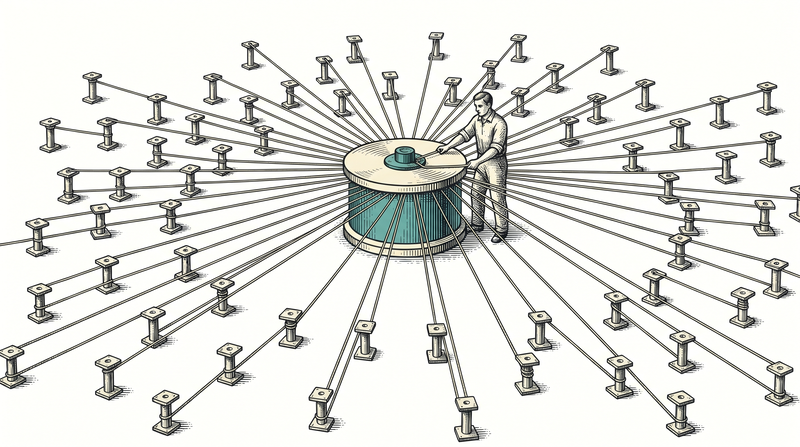
The core running beneath the operation
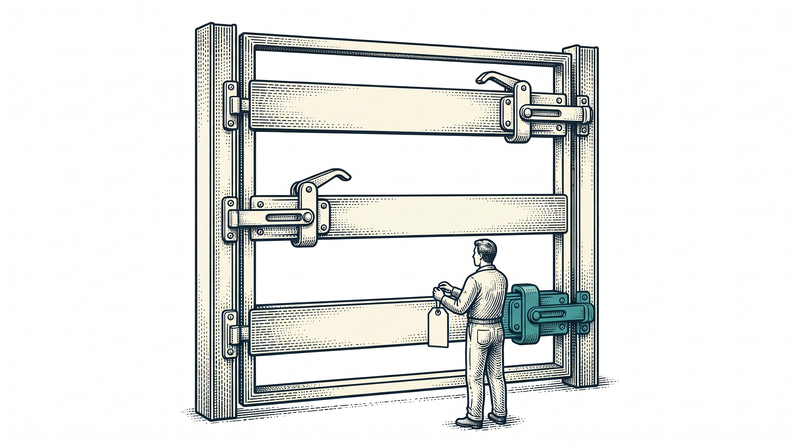
5188 compliance & the certificate gate
Before assigning an officer to a point, the system quietly asks: is the certificate valid, is the firearm license current, is the work permit in place? If not, the assignment stops. This gate decision lives in one place and doesn't scatter across screens — when regulation changes, only that rule is updated.
- Eligibility gate before assignment
- Certificate/license validity calendar
- A warning before expiry
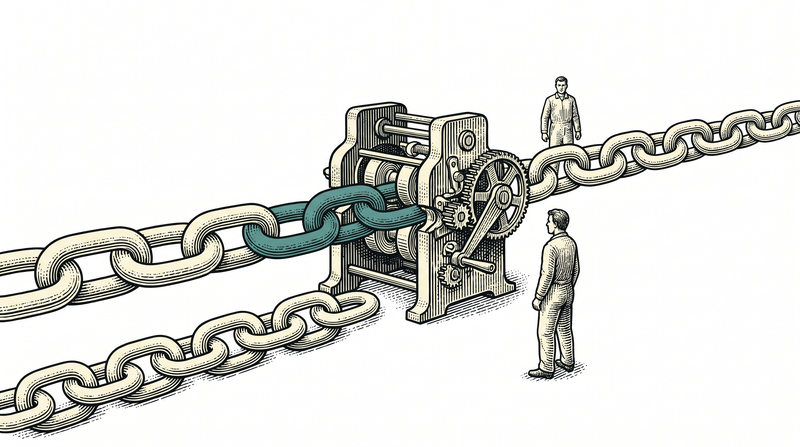
Roster & shift engine
Hundreds of officers, dozens of points and round-the-clock coverage; the roster can't be kept by hand. The engine builds the plan by shift rules, surfaces conflicts and gaps in advance and logs the handover. When something changes, everyone affected sees it at once.
- Rule-based schedule building
- Conflict and open-shift alerts
- Handover on record
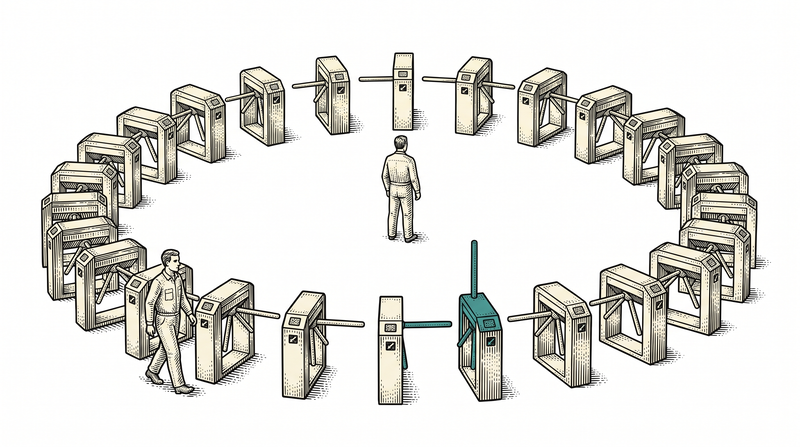
Patrol tour & checkpoint
An NFC/QR tag is placed at each checkpoint; as the patrol officer scans, the tour is logged step by step. A skipped point, a late tour or a patrol not done at all appears at once on the manager's dashboard. Proof rests on the scan, not on the word.
- Tour proof via NFC/QR
- Skipped/late point alerts
- Location and time stamps
Incident log & client reporting
An incident is logged on the spot with photo, location and description; it can't be altered afterward. These records flow by themselves into the report handed to the client at day's end — shifts, tours and incidents gathered in one document, removing the burden of writing reports by hand.
- Immutable incident log
- Automatic client report
- Photo & location evidence
What ships as standard in every deployment
How we bring it to the field
Discovery & point mapping
We map the protected facilities, checkpoints and your shift rules; how many officers to which point and with which tour — we clarify it together.
Personnel & certificate setup
We enter personnel records, certificate and license validities and configure the assignment gate to your rules.
Tagging & field trial
We place NFC/QR tags at checkpoints and trial the mobile app live with officers at a point.
Rollout & care
We train the team, roll out to all points and continue updates and support under an SLA maintenance plan.
In security, saying 'I did it' is not enough; when, where and how it was done is told by the record. We bind trust not to a word but to an immutable trace — because in the field the only valid witness is the record.
The technology we build on
- .NET 9
- ASP.NET Web API
- PostgreSQL
- Flutter
- NFC
- QR
- GPS
- SignalR
- live patrol monitoring
- SMS
- Role-based access
- Immutable log
- Audit trail
Frequently asked
How can we tell a patrol tour was actually done?
There is an NFC/QR tag at each checkpoint; as the patrol officer scans it with the mobile app, the pass time and location are logged. A skipped point, a late or an entirely missed tour appears at once on the manager's dashboard. Proof rests on the scan, not the word.
Does it track 5188 certificates and licenses?
Yes. ID card, 5188 certificate, firearm license and health-report validities are tied to a calendar and warn before expiry. Moreover, before assigning an officer the system checks eligibility — an assignment with an invalid document stops. This gate decision lives in one place.
Can it build the roster automatically?
Once you define shift rules the engine builds the plan, surfaces conflicts and open shifts in advance and logs the handover. When something changes the affected officers see it at once; hundreds of officers and dozens of points can't be kept by hand — the engine carries that load.
Can incident records be altered afterward?
No. An incident is logged on the spot with photo, location and time and written to an immutable record. These records flow by themselves into the client report at day's end; the burden of writing reports by hand and the risk of later edits are removed.
Let's put your field operation on the record
We'll listen to your points, shifts and reporting needs and map out where to start, together. The first conversation is non-binding.