تطوير تطبيقات الجوال
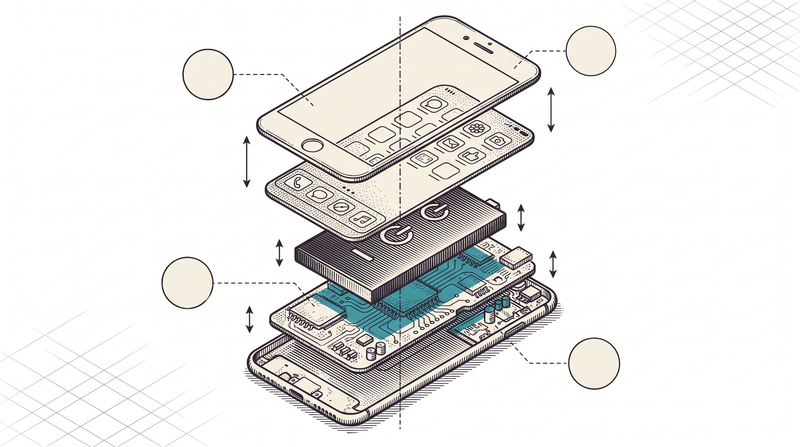
One codebase, a product that lands in your pocket
A mobile app lives by different rules than a desktop one: a small screen, limited attention, a notification to call the user back, a store review process. With Flutter we build both iOS and Android from a single codebase at once; that means moving with one team and a consistent experience instead of two separate ones. But the job doesn't end at writing code — store listing, the review process, push-notification infrastructure and release management are all part of the same package.
We say this not as a claim but with apps that are live in the stores — the list below is what that looks like in practice. The same team and the same Flutter kitchen turned very different problems into very different products.
- One codebase, two stores
- 5 published mobile apps
- Push notifications and deep linking as standard
- End to end, store processes included
Our mobile family live in the stores
All five came out of the same Flutter kitchen — separate products built for different problems and different audiences.
Annega
A social network where moms discover nearby moms, organize events, with identity verification for a safe community.
Zonfity
A personal fitness app that builds workout habits with ready-made programs, daily challenges and progress tracking.
Vosetu IPTV
A viewing app that imports IPTV playlists and plays channels through a fast, organized interface.
FileFly
A sharing app that moves files between phones and computers wirelessly, fast and securely.
VideoCaster
A casting app that sends video from phone and web to the TV, with queue and remote-control support.
The sub-services living under mobile development
Both a brand-new app and the mobile shell of an existing web product go through the same discipline.
Cross-platform app development
iOS and Android from a single Flutter codebase; you don't run two separate projects for two platforms.
Bringing an existing system to mobile
We expose the API of a working web product and build a mobile shell on top; core business logic is never rewritten.
Push notifications & deep linking
We set up the notification and deep-linking infrastructure that calls the user back to the right screen at the right moment.
Store processes
We run App Store and Google Play listing, review and approval processes end to end.
In-app purchases & subscriptions
We set up in-app payment and recurring-subscription flows in line with each platform's rules.
Release management & monitoring
Release rollout, crash reporting and usage analytics kick in as standard after launch.

The approach at work in real apps
One codebase, a consistent experience
A screen written in Flutter behaves the same on both iOS and Android; small platform-specific differences (gestures, the back button, notification permissions) are handled separately, but the body is one. All five of our published apps grew from this one body.
- One codebase, two stores
- Platform-specific tuning handled separately
- An approach proven across 5 products
The mobile app in a field team's pocket
Mobile isn't just consumer apps; logistics couriers and drivers scan barcodes and collect proof of delivery, and security patrol teams check NFC/QR-tagged checkpoints from a mobile app. The same Flutter kitchen serves both the consumer and the field team.
- Courier/driver barcode and proof of delivery
- Security patrol NFC/QR checkpoints
- The same architecture, different field needs
Every step through the store
Writing an app is half the job; getting it into the store is the other half. Listing copy, screenshots, privacy disclosures, review rejections and resubmission — every one of our five apps went through this process and stayed live.
- Listing and review process management
- Privacy disclosures and store rules
- Fast resubmission after rejection
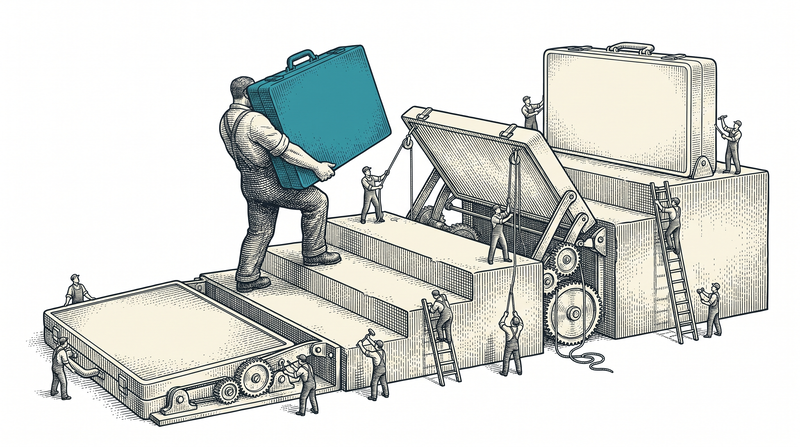
How we go from idea to the store
Flow & screen design
We map the user flow and screens, and gather early feedback with a clickable prototype.
Flutter development
We develop iOS and Android in parallel from one codebase; every sprint is tested on real devices.
Store preparation & review
We run the listing, privacy disclosure and review process, and quickly fix and resubmit on rejection.
Post-launch monitoring
We keep the release roadmap current with crash reports, usage analytics and user feedback.
What ships as standard in every mobile project
The technology we build on
- Flutter
- Riverpod
- .NET 9
- ASP.NET Web API
- PostgreSQL
- FCM
- deep linking
- App Store
- Google Play
Let's put your idea in a pocket
Whether it's a new consumer-facing app or a mobile tool for your field team, we'll map out where to start, together. The first conversation is non-binding.
الأسئلة الشائعة
منتجات جاهزة فقط أم تطوير مخصص أيضًا؟
كلاهما. منتجاتنا بالاشتراك؛ وإن اختلفت حاجتك يطوّر الفريق نفسه حلًّا مخصصًا.
كيف يعمل التسعير؟
اشتراك شهري للمنتجات؛ وسعر ثابت أو عقد شهري للمشاريع. الاستشارة الأولى مجانية.
هل توقعون اتفاقيات سرية؟
نعم — نوقعها قبل الاجتماع الأول إذا طلبت.
هل يمكن العمل من خارج البلاد؟
نعم، نعمل عن بُعد أولًا؛ التواصل بالتركية والإنجليزية.
هل يتكامل مع أنظمتنا الحالية؟
التكامل في صميم عملنا: حلولنا تتخاطب مع أنظمة ERP/CRM والعتاد القائم.