الأسواق والتجارة الإلكترونية

From product catalog to cart, from a single seller to a marketplace
E-commerce doesn't fit one mold: sometimes it's a storefront where you sell your own product (B2C), sometimes a portal where your dealers and suppliers place bulk orders (B2B), sometimes a marketplace where multiple sellers sell under one roof (P2P/marketplace). Each one runs its catalog, pricing and payment flow under different rules; picking the wrong mold either falls short or brings needless complexity.
What we know here didn't come from a desk: pulling orders via Amazon SP-API and syncing stock and price run inside the daily work of an e-commerce warehouse. From catalog to cart, from multi-vendor commission models to marketplace integration, we build each layer on that experience — because that's where we saw which mold breaks where.
- B2B, B2C and P2P — each builds a different architecture
- Amazon SP-API integration in real operation
- Warehouse, picking and dispatch run from the same core
- One stock, one price — a truth independent of channel
Why build this with us
Real integration experience
Running a marketplace API like Amazon SP-API in real operation is a different thing from reading its documentation — we've seen surprises like rate limits, webhook delays and schema changes in the field.
- Amazon SP-API running in production
The single-stock-pool principle
Store, your own site and marketplace update the same inventory at the same time; overselling and the 'out of stock' surprise end here.
- Architectural protection against overselling
Modular adapter architecture
Adding a new marketplace or payment provider means writing an adapter without touching the core; complexity doesn't compound as integrations grow.
- New marketplace = new adapter
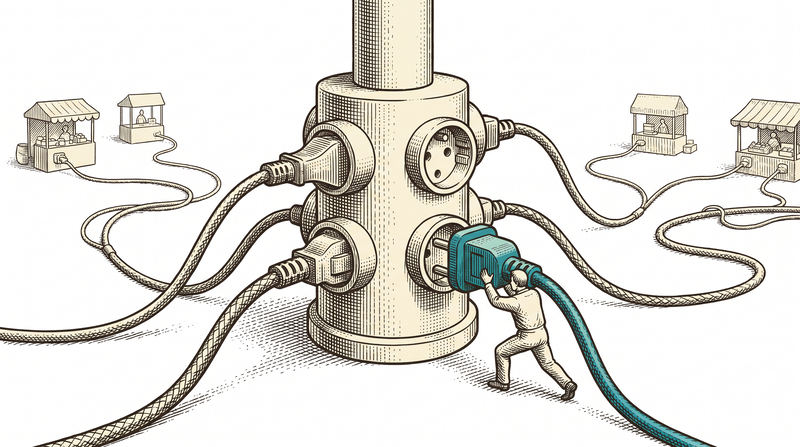
A layered, scalable architecture
All of our sector products stand on the same layered architecture (service/bll/dal); as your catalog grows, the thing that grows is the infrastructure, not the system's complexity.
- The same layered architecture, repeated in every product
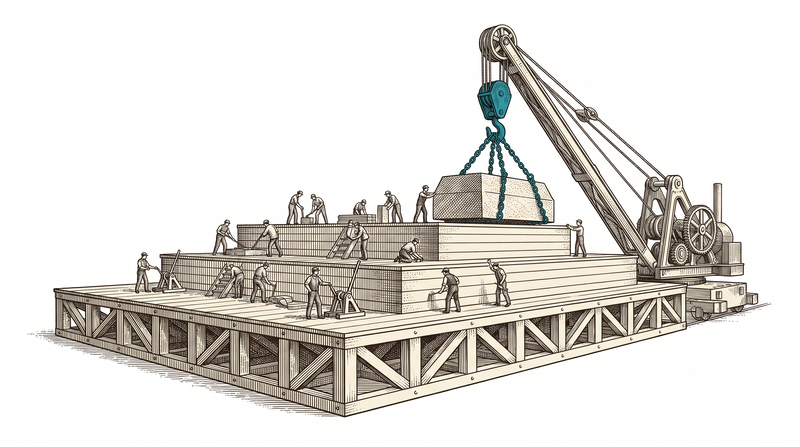
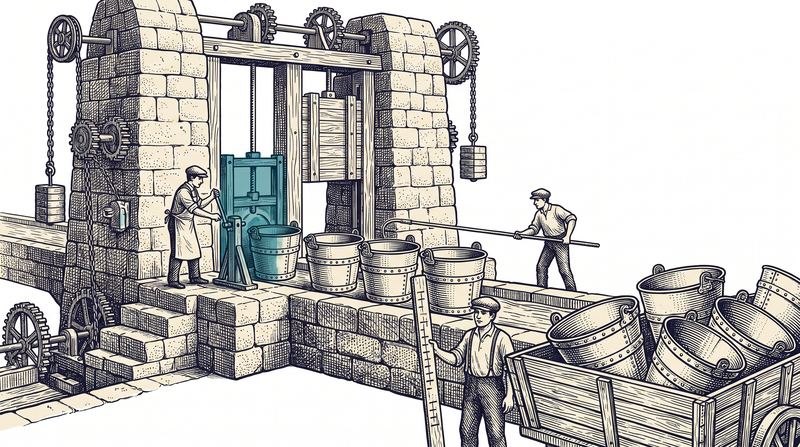
5 requirements of a flawless marketplace

B2B, B2C and P2P — which one fits you
All three are e-commerce, but their catalog, pricing and user flow run on different rules.
B2B — dealer & supplier portal
Account-based bulk pricing, credit limits and an order-approval flow; a dealer self-serves their own order and stock view.
B2C — your own storefront
Product catalog, cart, payment and campaigns; the classic e-commerce flow where the end customer buys directly from you.
P2P — multi-vendor marketplace
Multiple sellers sell under one roof; commission, payouts, the seller panel and marketplace approval are managed centrally.
How we build a marketplace/e-commerce platform
Business model & scope
We clarify together which model — B2B, B2C or P2P — fits your need, along with commission and pricing rules.
Catalog & storefront
We build the product catalog, variant and stock model, and develop a fast storefront with Next.js.
Cart, payment & order flow
We build the flow from cart to payment, payment to order confirmation, with virtual POS/wallet integration.
Marketplace/seller integration
We bring marketplace connections like Amazon SP-API, or the seller panel, live as an independent adapter.
Launch & scaling
We test the catalog, payment flow and stock sync in a live environment before launch, then continue under SLA maintenance.
The marketplace connection, and the warehouse itself
Live marketplace integration via Amazon SP-API
Order pulling, stock and price sync, shipment notification and the returns flow all run through Amazon SP-API in real operation. The hard part wasn't writing the integration; it was learning to live with rate limits, webhook delays and a schema that changes without notice.
- Amazon SP-API order pulling
- Two-way stock/price sync
- Shipment notification & returns flow
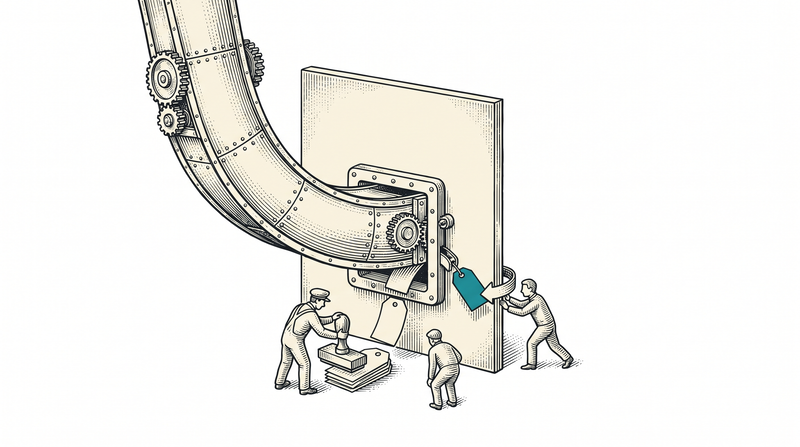
Warehouse, picking and dispatch
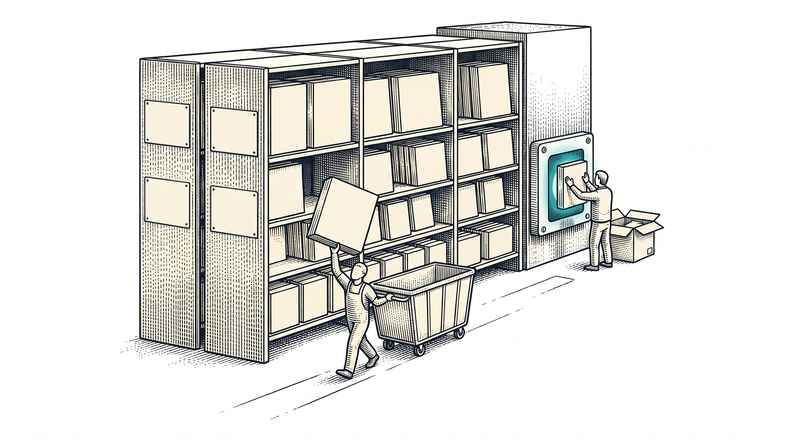
The side we built for e-commerce warehouses produces shelf-location-based pick lists, verifies every item by barcode and hands off to dispatch. A picker never walks to the same shelf twice — the system sets the order of the route.
- Shelf-location-based pick lists
- Barcode verification
- The picking route comes from the system
The technology we build on
- .NET 9
- PostgreSQL
- Amazon SP-API
- Virtual POS
- wallet
- Next.js
- Angular
Let's find which e-commerce model fits you
We'll listen to your business model and sales channels and map out where to start, together. The first conversation is non-binding.
الأسئلة الشائعة
منتجات جاهزة فقط أم تطوير مخصص أيضًا؟
كلاهما. منتجاتنا بالاشتراك؛ وإن اختلفت حاجتك يطوّر الفريق نفسه حلًّا مخصصًا.
كيف يعمل التسعير؟
اشتراك شهري للمنتجات؛ وسعر ثابت أو عقد شهري للمشاريع. الاستشارة الأولى مجانية.
هل توقعون اتفاقيات سرية؟
نعم — نوقعها قبل الاجتماع الأول إذا طلبت.
هل يمكن العمل من خارج البلاد؟
نعم، نعمل عن بُعد أولًا؛ التواصل بالتركية والإنجليزية.
هل يتكامل مع أنظمتنا الحالية؟
التكامل في صميم عملنا: حلولنا تتخاطب مع أنظمة ERP/CRM والعتاد القائم.