الأمن والامتثال لحماية البيانات
Where security lives
Not controls sprinkled across screens, but six layers of the architecture.
Authentication & session security
Proving who you are and keeping your session secure are two separate jobs; both ship as standard.
Role/permission & gating architecture
The decision of who sees what and who can change what lives in one service — no permission checks scattered across screens.
Confidential file & sensitive-data access
Sensitive data — a health record, a session note, an ID document — passes through a role-limited, trace-leaving gate.
Audit trail & access logging
Who opened which record, and when, rests on a record, not a guess; the trace can't be altered.
Data-protection process & inventory
Which personal data is kept where, for how long, and who can access it — this inventory is built into the architecture.
Encryption & secret management
Sensitive fields are stored encrypted; API keys and connection secrets never leak into logs or to the client.
The three layers running beneath the surface
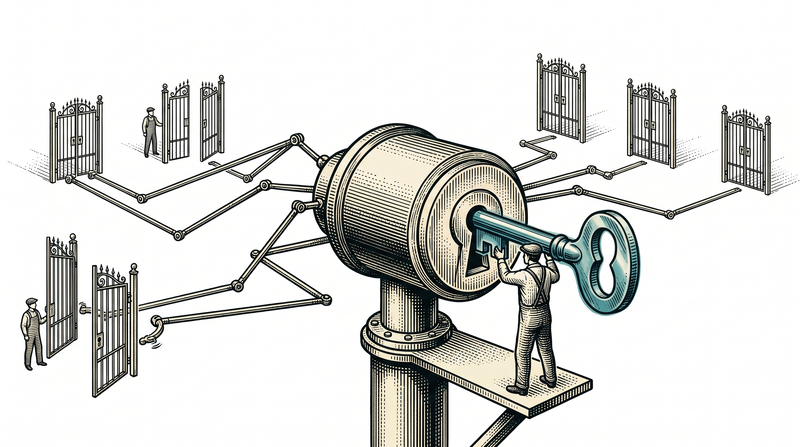
Identity & gate architecture
The decision of who can see what doesn't live in 'if' blocks scattered across screens — it lives in one service, with the mapping held in a single constant. The gate's source might be a role, a subscription plan or a license — when the source changes, only that source's adapter changes; the screens stay untouched.
- The gate decision in one service
- Only the adapter changes when the source changes
- No permission checks buried in screens
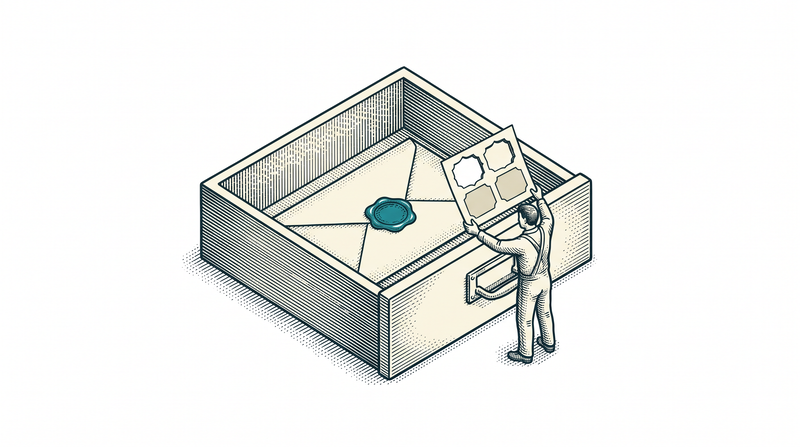
Sensitive data & masking
An individual's health condition, medications or a confidential file are sensitive data; who may see them is restricted by role and every access is logged. In our care and health installations this architecture isn't a detail — it's the default; privacy isn't a setting added later, it's the design itself.
- Role-limited access, every opening logged
- A real pattern running live in the care sector
- Privacy is the default, not bolted on later
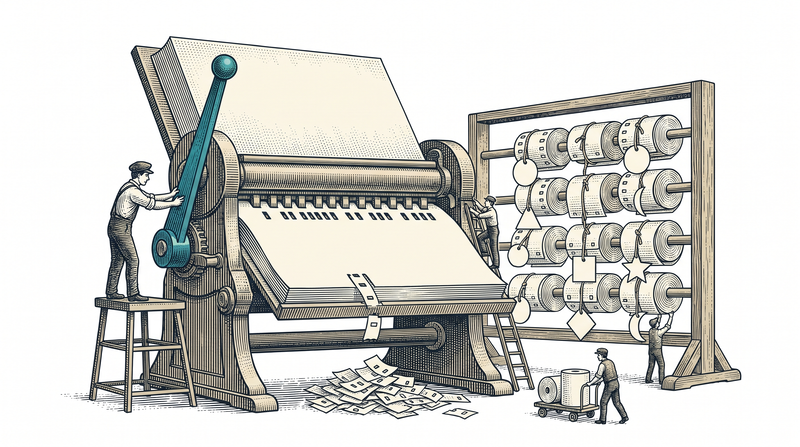
Audit trail & data-protection inventory
A personal-data inventory, access logging, retention-period rules and an immutable audit trail are built into the architecture — they aren't patched on later, they ship as standard. In our public-sector projects we've built this inventory into systems that talk to official services like the e-government gateway and e-signature.
- Personal-data inventory and retention rules
- An immutable audit trail
- Proven in projects talking to official services
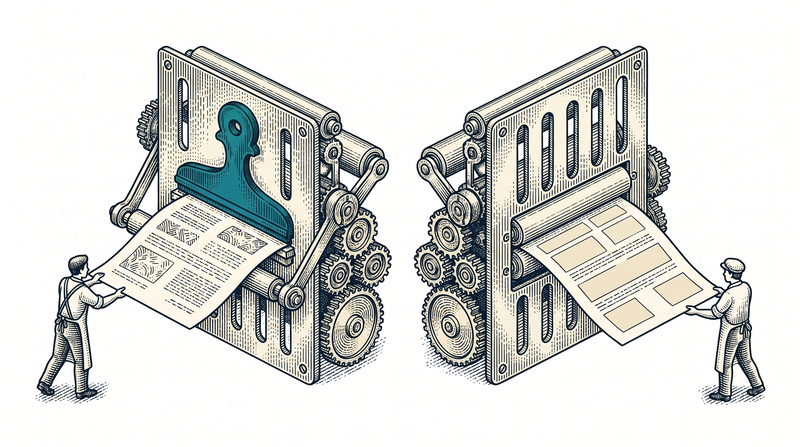
Security is a layer of the architecture, not a promise
We'd rather be honest: we're not a certification body, and we don't offer an ISO 27001 certificate or a formal penetration-test report. What we bring is different — a discipline that builds authentication, role/permission (gate) architecture and sensitive-data access control into the architecture itself; we've run this in real operations, in the sensitive-data pattern of our psychology and healthcare products, in the data-protection inventory of our public-sector projects, and in the 5188 compliance of our private-security product.
The data-protection process is, for us, an engineering discipline, not legal counsel: we map which personal data is held where, restrict access by role, log every access, and tie retention to a rule. The legal assessment always stays with your own counsel — we build the solid technical ground beneath it.
- An architecture open to independent audit
- Identity, gating and sensitive-data control in the architecture
- Proven in healthcare, public-sector and security products
- Legal assessment stays with your own counsel
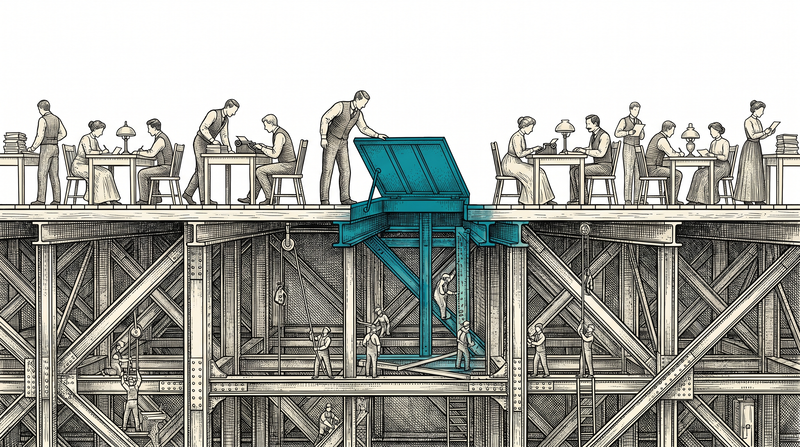
How we set up security & compliance
Data & access inventory
We map where each piece of data is held and who accesses it; we flag sensitive fields together.
Identity & gate architecture design
We build the role tree and gate decisions into one service; who sees what is settled up front.
Encryption & masking setup
We encrypt sensitive fields and mask them where needed; secret management is set up so nothing leaks into logs or the client.
Audit trail & documentation
We activate the immutable audit trail and document the data inventory and retention rules.
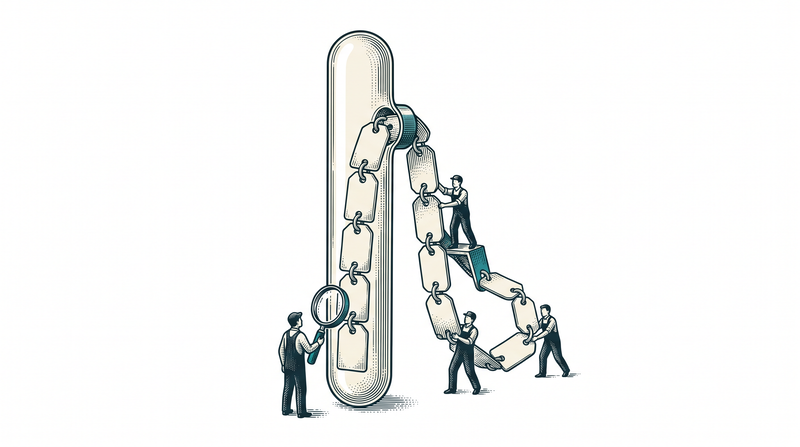
Sectors where this discipline is at work
The same identity, gating and audit-trail architecture runs, adapted, to a different sensitivity in each sector.
Care & health
In this sector, health condition and medication records are sensitive data; access is role-limited and every opening is logged.
Private security
5188 certificate, firearm-license and ID validity are tied to an assignment gate; an assignment with an invalid document stops.
Public sector
A personal-data inventory and immutable audit trail run inside systems talking to official services like the e-government gateway and e-signature.
Finance & insurance
Card data isn't held on our side; only a secure token points to the payment provider's own vault.
What ships as standard in every deployment
The technology we build on
- JWT
- OAuth2/OIDC
- Role + gating engine
- Encryption
- audit trail
- Data-protection processes
Frequently asked
Do you have ISO 27001 certification or a formal security audit report?
No, we say so plainly: we're not a certification body. What we bring is the discipline of building identity/gate architecture and sensitive-data control into the architecture itself; we've run this in real operations in our healthcare, public-sector and security products. If you want an independent audit, the architecture we build is open to third-party review.
How do you restrict who can access sensitive data?
Access is defined by role and decided in a single gate service; there are no permission checks scattered across screens. Every opening is logged with who and when — that record can't be altered.
Do you also provide legal counsel for data-protection compliance?
No. We build the technical and process side — data inventory, access control, retention rules and the audit trail; the legal assessment and final compliance decision always stay with your own counsel.
Can audit-trail records be altered afterward?
No. Once an access or an action is logged, it's written to an immutable record; this is part of the design, both for security and for accountability.
Can you add a security layer to our existing system, or do we start from scratch?
Usually yes. We first assess your existing authentication and permission setup; what's usable is kept, and missing gate decisions and audit trails are built on top.
Let's build your security architecture together
We'll listen to which data is sensitive and who should see what, and map out where to start, together. The first conversation is non-binding.