تكامل الأنظمة الحكومية

In Turkey, software doesn't run without connecting to an official system
A pharmacy can't sell a box without scanning its barcode. A clinic can't invoice without sending a Medula authorization, a hotel can't close a stay without reporting the guest to KBS, a lawyer can't follow a case file without connecting to UYAP. In many sectors in Turkey this is exactly where the software's job starts: without the system the regulation requires, the product simply doesn't stand up.
We didn't learn this from documentation. Medula, İTS and e-Nabız on the healthcare side; UYAP in law and accounting; KBS in hospitality; ÇKS in agriculture; SGK entitlement queries at optics and hearing centers; Amazon SP-API in logistics and retail — all of them run live today. Below we list which one runs in which sector.
- Live integration with the mandatory official systems
- We run the documentation and application process
- Each system is an independent adapter — when one changes, the others don't stop
- Sandbox access is requested while the project is still starting
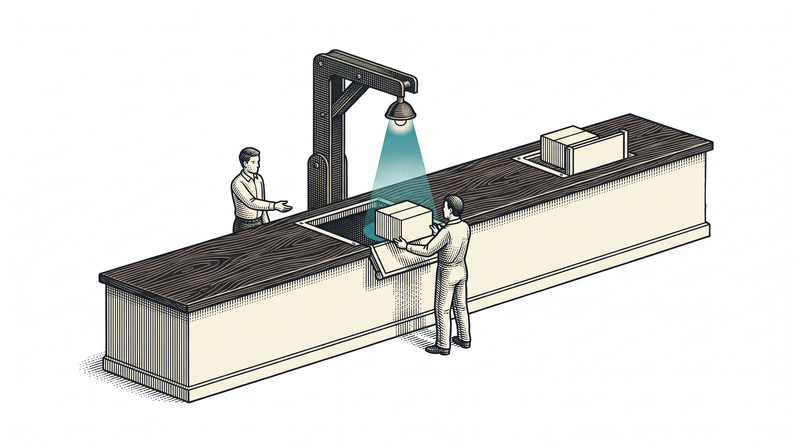
What makes official-system integration hard
The systems we run live
Each one runs inside a working installation in a different sector, today.
e-Government
Identity verification and e-signature-based approval; it sits at the entry layer of enterprise installations.
Medula
Authorization and invoicing flow — the daily work of our polyclinic software.
İTS (drug track-and-trace)
Drug barcode track-and-trace. On the pharmacy side it's the mandatory step before a sale.
e-Nabız (national health record)
The national health record; the shared connection point across our healthcare installations.
UYAP (judicial system)
Case, file and hearing data; it runs in the system we built for a law practice.
KBS (guest ID reporting)
Mandatory guest-ID reporting. In the hotel management system it's prepared together with the check-in record.
ÇKS (farmer registry)
Farmer-registry-ready data, on the agriculture side.
Amazon SP-API
Marketplace order and stock flow, in logistics and retail installations.
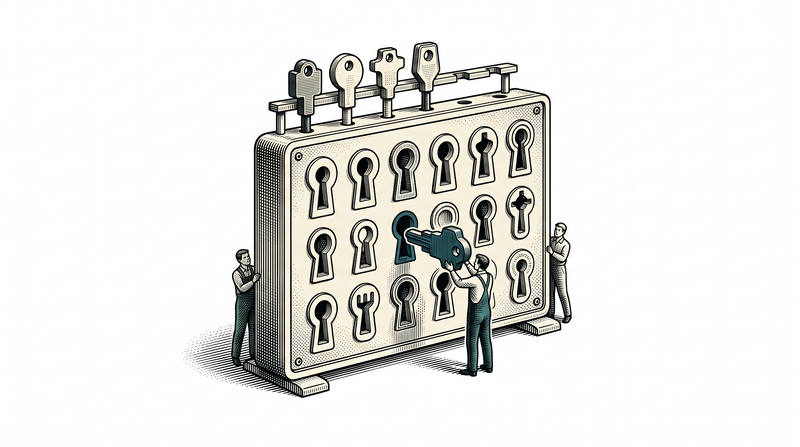
The three disciplines living beneath an official integration
Documentation and the application process
Connecting to an official system starts with paperwork, not code: an authorization letter, a contract, sometimes an on-site inspection. This is measured in weeks, not days. Because we've been through it before, we know which document is asked for in which order — it doesn't show up later as a surprise in the timeline.
- The letter and contract sequence is known in advance
- The expected duration goes into the timeline from day one

Test environment and sandbox access
You don't walk straight into the live environment of most official services. Scenarios are run first with test credentials: success, failure and — the one most often skipped — timeout. Those credentials need their own application, so we request them in the first week; ask late and the development is ready while the environment isn't.
- Sandbox credentials are requested in the first week
- The timeout path gets tested too, not just the happy one
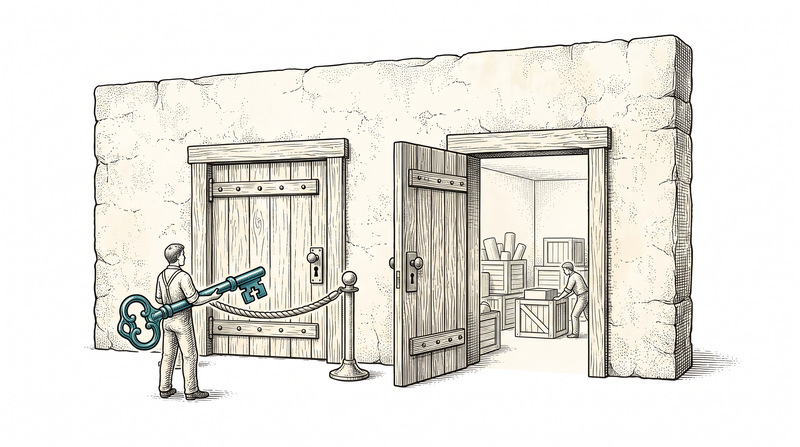
Tracking version and schema changes
An official service's field name, required field or authentication method can change without notice. That's why every integration is written as an independent adapter: a change concerns only that adapter, and the rest of the application stays where it is. We follow the announcements and meet the change in the test environment first.
- Every integration is an independent adapter
- A change is met in the test environment before it reaches production

Which system runs where
Every line below comes from an installation that is in use today.
Polyclinic management
The Medula authorization and invoicing integration runs inside the daily flow.
Pharmacy management
Drug and product tracking via the İTS barcode; without a scan the sale doesn't move.
Optics & hearing center
SGK entitlement queries run here; e-Nabız is the shared connection point on the healthcare side.
Law & accounting practice
Connects to the profession's official backbone through UYAP case/file integration and filing services.
Hotel & hospitality (PMS)
A checked-in guest's ID is recorded in a form that's ready for the KBS report.
Farm operation
Produces exportable records ready for ÇKS and subsidy filing.
Logistics & retail
Orders are pulled through Amazon SP-API, with stock and price kept in sync.
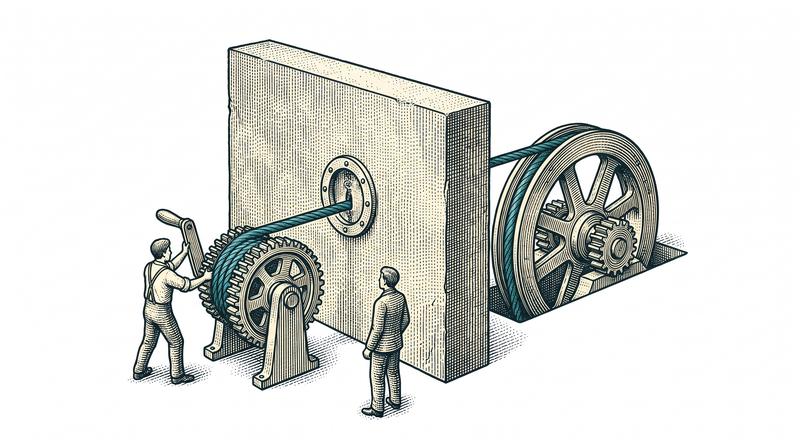
How we build an official-system integration
Application & documentation
We know which document, contract and authorization will be needed; the application starts before any code is written.
End-to-end testing in sandbox
With the provider's test credentials we walk through success, failure and timeout together.
Writing it as an adapter
The integration isn't embedded in the core but becomes an independent module; when regulation changes, only that module is updated.
Go-live & monitoring
We roll out in a controlled way and wire error rate and schema changes into monitoring.
Version tracking & maintenance
We follow the changes the institution announces and keep the adapter current under SLA maintenance.
The technology we build on
- SOAP
- REST
- XML
- e-Signature
- certificate
- mTLS
- Public-service adapters
- monitoring & alerting
- .NET 9
- PostgreSQL
Frequently asked
Have you really connected to these systems, or did you just read the documentation?
The Medula, İTS, UYAP, KBS, ÇKS and Amazon SP-API integrations run inside installations in use today — in healthcare, law, hospitality, agriculture, logistics and retail. The part you can't learn from the documentation is the weeks spent in the test environment anyway.
How long does it take to get test-environment access?
It varies by institution; it can run from a few days to a few weeks. That's why we file the application at the very start of the project, before development begins.
What happens if the institution changes something?
Because every integration is written as an independent adapter, when a field name or a rule changes only that adapter is updated; the rest of the application is untouched. We follow the change announcements and verify them in the test environment before they reach production.
Which official system is mandatory in which sector?
Medula and İTS in healthcare, UYAP in law, KBS in hospitality and ÇKS in agriculture are generally mandatory; e-government and e-signature are used as an identity layer across many sectors. We work out together in the first conversation which ones are mandatory on your side.
Do you manage the e-signature/certificate process as well?
You obtain the certificate from an e-signature provider; we integrate it into the system and build the mTLS and signature-verification flow.
How long does it take for the system to go live?
It depends on scope; the general range is 3 weeks to 5 months. Documentation and test-environment time sit inside that timeline rather than being added later.
Which official system do you need to connect to?
Let's work out which system is mandatory in your sector and where to start. You don't have to sign anything at the end of the conversation.