تدقيق تقنية المعلومات والتحديث
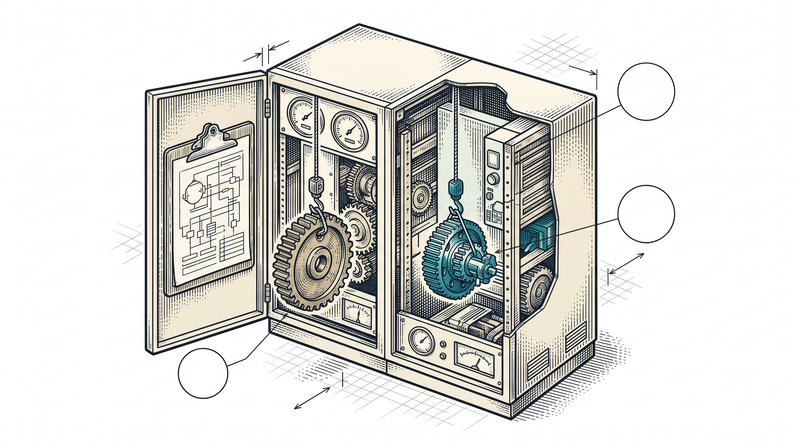
The step before a blind rewrite
What an IT audit is
A short, systematic review of the existing code, architecture, infrastructure and user experience. The goal isn't to find someone to blame — it's to put in writing what's solid and what's risky, so every decision that follows rests on that document.
- Code & architecture review
- Vulnerability scanning
- Performance bottleneck analysis
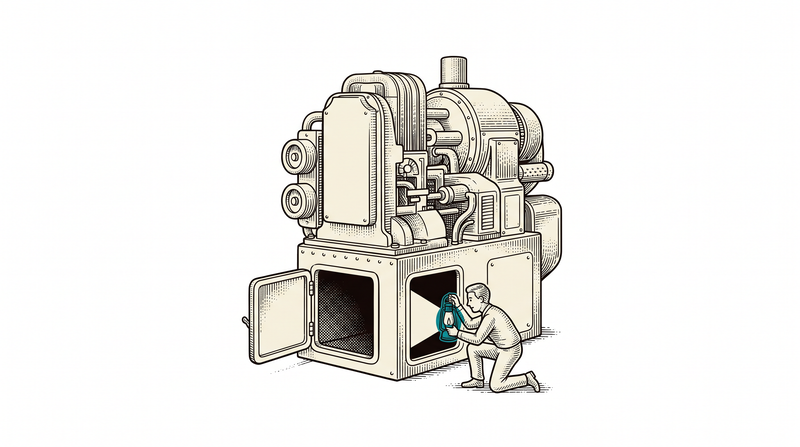
Why we start with an audit
Rewriting an old system from scratch looks tempting, but done blindly it's the most expensive mistake — a decision made without knowing which part is actually broken and which is merely old only grows the risk. An audit shrinks that risk by mapping technical debt and prioritizing it.
- Technical debt gets mapped
- Risk gets prioritized
- A phased, zero-downtime plan emerges
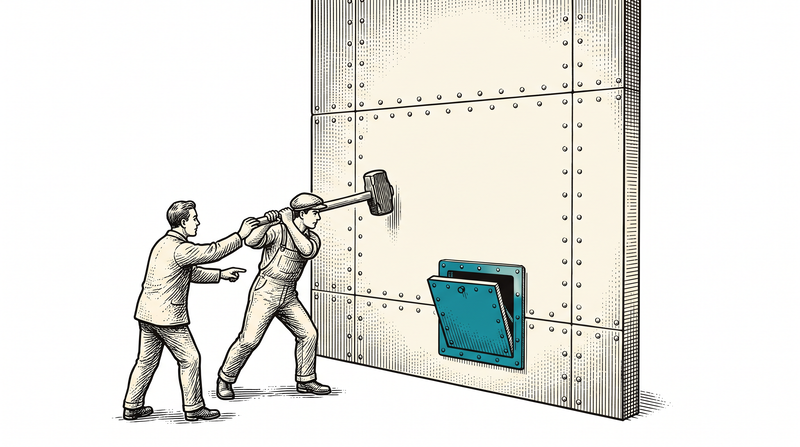
What comes out of an audit: an ordered list
It's easy to hand you a long list of faults at the end of an audit; it's also the part that doesn't help. We order the findings by impact and by cost to fix: which is risky today, which will bite as you grow, which is merely old. Instead of a 'let's rewrite everything' decision, it becomes clear which single job comes first — and when that one is done, the next is already waiting in line.
- Findings are ordered by impact and cost
- One job is picked first, not all of them at once
- The next step is already waiting
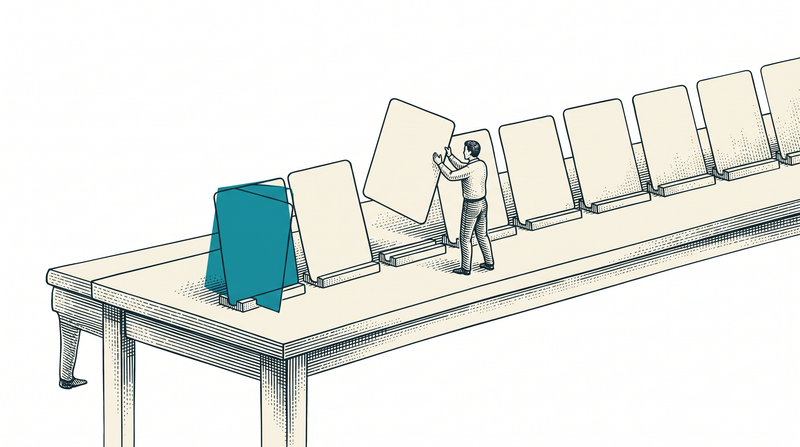
Blindly rewriting an old system is risky
We first scan the existing code, architecture and infrastructure; we report technical debt, security gaps and bottlenecks, then produce a phased modernization plan. The report isn't a list of criticisms — it's a roadmap showing which step comes first and which comes later.
Because we've built our sector products on the same core, we quickly recognize recurring architectural patterns: which layer has become tangled, which dependency is fragile, which screen doesn't scale. That pattern recognition turns an audit from a weeks-long excavation into a focused scan of days.
- Findings backed by evidence, not judgment
- Technical debt is prioritized
- A phased, zero-downtime migration plan
- Pattern recognition from our product family
5 types of audit
We can focus on a single area or on all of them, depending on your need.
Architecture audit
Layer separation, dependency direction and modularity are reviewed; structural issues that hinder growth are identified.
Infrastructure audit
Server, deployment, scaling and backup setup are reviewed; single-point-of-failure risks are surfaced.
Code audit
Readability, test coverage and repeated patterns are reviewed; technical debt is reported with concrete examples.
Security audit
Dependency scanning, authorization checks and data-protection practices are reviewed; gaps are listed by priority.
User experience (UX) audit
Friction points in the flow and accessibility gaps are identified; where users struggle becomes concrete.
What you have in hand at the end of the audit
A 3-step process
Scope & access
We decide together which system gets reviewed and how deeply, and get the necessary access (code, environment, logs).
Scanning & analysis
We systematically scan code, architecture, infrastructure and security, and record findings with evidence.
Report & roadmap presentation
We present findings in a prioritized report together with a phased modernization roadmap, and answer your questions.
When an IT audit is needed
Why with us
Pattern recognition from our product family
We recognize recurring architectural issues fast; the audit becomes a focused scan, not a long exploration.
Evidence-based, non-judgmental report
Every finding comes with concrete evidence and reasoning; a traceable observation, not a subjective opinion.
Phased, zero-downtime migration
We don't propose a big-bang migration; the system modernizes stage by stage while it keeps running.
The report doesn't sit on a shelf — it gets applied
If you want, we also carry out the modernization phases; the audit and the implementation stay with the same team.
The layers we look at in an audit
- Code
- architecture
- data model
- vulnerability scan
- dependency analysis
- Audit report
- roadmap
- Phased
- zero-downtime
Frequently asked
What exactly does an architecture audit review?
We review layer separation (e.g. whether service/business-rule/data-access logic is tangled), dependency direction and how independent modules are from each other; structural issues that hinder growth are reported with concrete examples.
What criteria does a code audit look at?
We review readability, test coverage, repeated patterns and shortcuts that make maintenance harder; every finding is made concrete at the file/example level, not glossed over with a generic score.
Is a security audit the same as a penetration test?
No, it's a different scope. We review dependency scanning, authorization checks and data-protection practices; if active attack simulation is needed we say so upfront and recommend it as a separate, specialized penetration-testing service.
Does a UX audit redesign the interface?
No, we don't redesign during the audit itself. We identify friction points in the flow and accessibility gaps and produce a prioritized improvement list; if you want it implemented, we plan that as a separate UI/UX engagement.
How long does an audit take?
It depends on scope; the general range is 1-6 weeks. We settle scope and depth together in the first conversation.
Do we implement the audit report, or do you?
Both are possible. We can hand the report to your own team to execute the roadmap, or we can also take on the modernization phases ourselves.
Do you audit just one module, or the whole system?
Either works. You can focus on a single module you consider risky, or have the whole system reviewed; scope narrows or widens to your priority.
Will the audit's conclusion be 'rewrite it'?
Usually not. Our goal is to prevent unnecessary rewrites; phased modernization while keeping the existing system running is usually less risky and cheaper. If a rewrite is genuinely necessary, we say so with the reasoning.
Let's see your system's real state, together
We'll listen to your concern and your current system and map out the audit's scope, together. The first conversation is non-binding.