Textile & Apparel
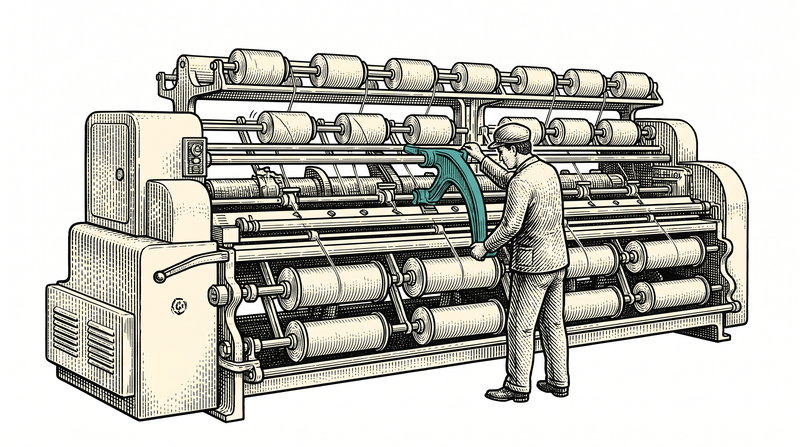
Hundreds of variants come off one pattern
In apparel, stock is never a single line. One model splits into dozens of cells along colour and size, and that cell is the unit the order, the production floor and the warehouse all speak. When a general-purpose stock program tries to hold this as 'separate products', the cards multiply, the count stops matching and what is left in which size becomes invisible. In this vertical the matrix belongs in the data model from day one.
The second difference is that the workflow spills outside the walls. Cutting happens in-house, sewing usually goes to a subcontractor; a batch leaves, comes back counted, and the difference must not disappear. The third is that fabric is consumed by the metre and the remainder is measured as waste. We build these three mechanisms separately and tie them together.
- Model × colour × size matrix
- Counted subcontractor dispatch and return
- Metreage and waste measurement
- Order, production and stock on one cell
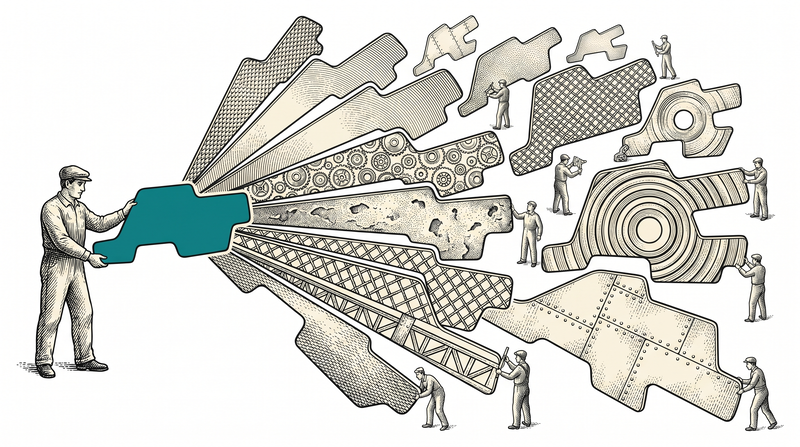
From fabric to dispatch
From sample to series production, subcontractor tracking to dispatch; every step stands on the same model card and the same matrix.
Model & collection card
Every model on one card: the pattern, colour options, size run and season, all together.
Colour-size matrix
Stock is held cell by cell; which size is left in which colour shows in one grid.
Cutting & batch tracking
The cutting order is tied to a batch, and how many of which model that batch produced is on record.
Subcontractor dispatch & return
A batch leaves counted and returns counted; whatever is still open stays on the list.
Fabric metreage & waste
Fabric is deducted by the metre and the remainder is measured as waste, so cost becomes arithmetic, not a guess.
Orders & dispatch
Wholesale and retail orders both draw on the same matrix, and the carton and dispatch list fall out on their own.
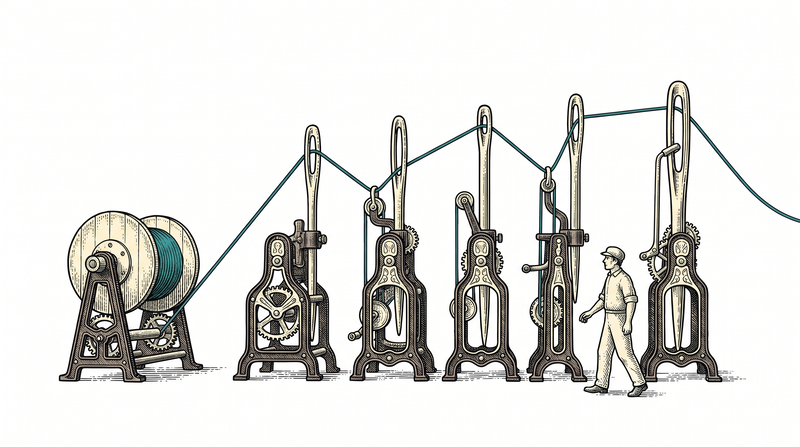
The mechanisms working beneath the surface
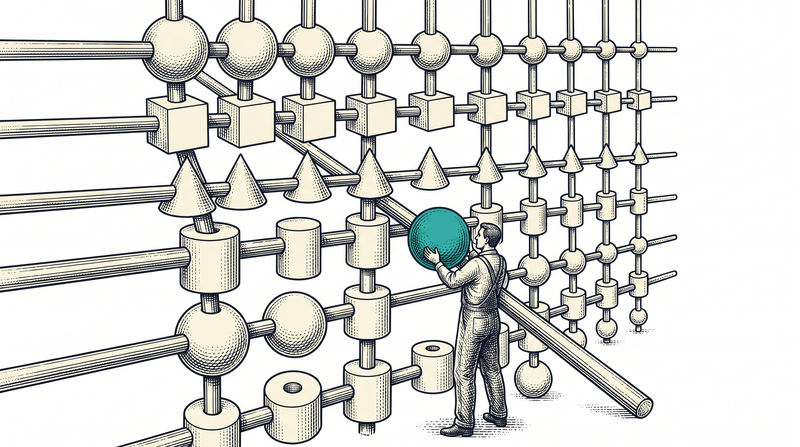
Model × colour × size matrix
In this vertical stock is not a single number. A model opens into a grid along colour and size, and every cell has its own quantity, its own cost and its own reservation. An order lands in a cell, production fills a cell, counting happens cell by cell. When the matrix sits at the centre of the data model, 'what is left in which size' stops being a report and becomes the screen itself.
- Per-cell quantity, cost and reservation
- Size runs defined against the model
- Counting and ordering speak the same cell
Cutting, sewing & the subcontractor flow
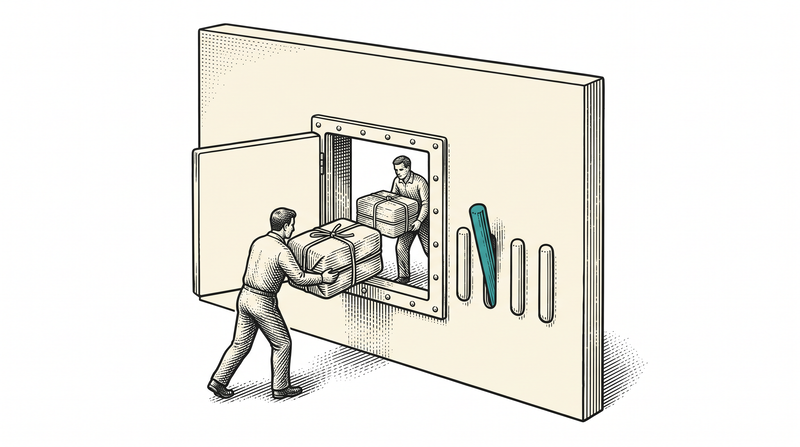
In apparel part of the work happens outside the walls. A cut batch goes to a subcontractor, is sewn and comes back; if the gap between what left and what returned is not tracked, losses build up quietly. The system counts the batch on the way out and on the way back, keeps whatever is still open on the list, and shows how much work is waiting at which workshop. That way the subcontractor stops being a black box.
- Dispatch and return counted separately
- An open batch stays on the list
- Workload visible per workshop
Fabric metreage & waste
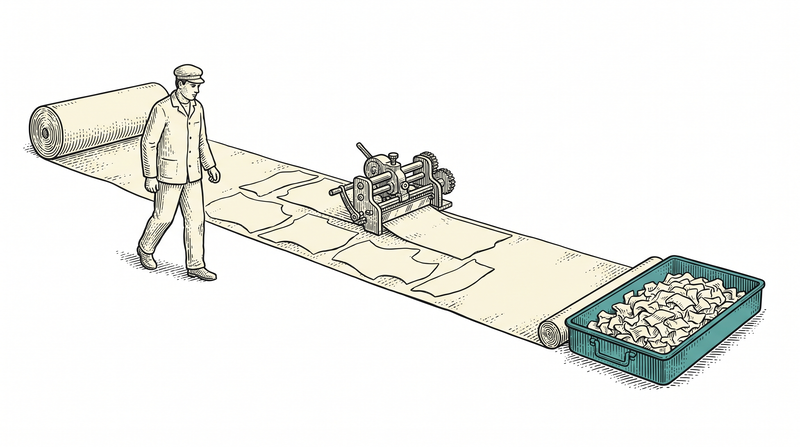
Fabric is consumed by the metre, not by the piece, and the offcut left from cutting is a real line in the cost. The system deducts metreage per roll, keeps the waste coming out of the cutting plan separate, and computes the model's true cost from the sum of the two. Waste is a measured quantity, not an assumed percentage, and how much each pattern throws away is visible per model.
- Metreage deducted per roll
- Waste measured as its own line
- True cost per model
What ships as standard in every deployment
How we work
Matrix and size-run discovery
First we map your size runs, colour codes and model naming, and the matrix is built to match.
Migrating existing stock
We split the stock from Excel or your old program into cells, verify it with a count and put it live.
Cutting room and subcontractor training
We train in the cutting room rather than at a desk; the first batch goes out and comes back together with you.
Season-long support
Collection and dispatch periods are intense; through them we stay close with SLA maintenance.
Frequently asked
What do you bring ready on the colour-size matrix side?
We bring a per-cell stock, reservation and cost model ready-made, and configure it to your own size runs and colour codes.
Do the subcontractor workshops enter the system?
Not necessarily. Dispatch and return can be recorded by counting on your side; if you prefer, a limited-permission screen can be opened for the workshop as well.
How is waste measured?
The remainder from the cutting plan is recorded as its own line and added to the model's cost; no assumed percentage is used.