Automobil & Mobilität
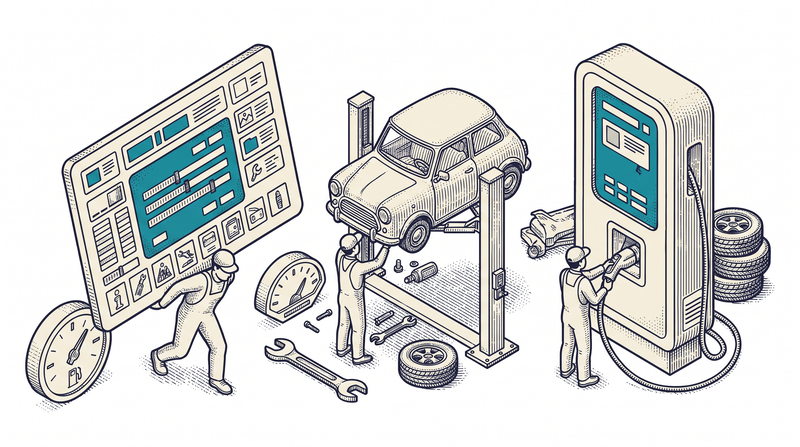
The vehicle enters at the gate and leaves with a record
In automotive services every job starts with a vehicle and every dispute with an uncertainty: 'I didn't approve this', 'that scratch was already there', 'why did you deduct my deposit?'. Vosetu closes these uncertainties with records. The moment a vehicle enters the service, the rental or the car park its condition is photographed; every operation to be done, every approval taken and every amount collected becomes a trace — records speak, not claims.
This work lives at three separate gates but unites in one principle: don't advance without the customer's approval, don't hand over without leaving evidence. In service the work order opens with customer approval, in rental the vehicle leaves with a handover checklist, in the car park entry-exit is recorded to the second. So both the customer is protected and the business stands justified.
- Customer approval gate
- Inspection/damage photos
- Deposit & handover checklist
- Date-conflict checking
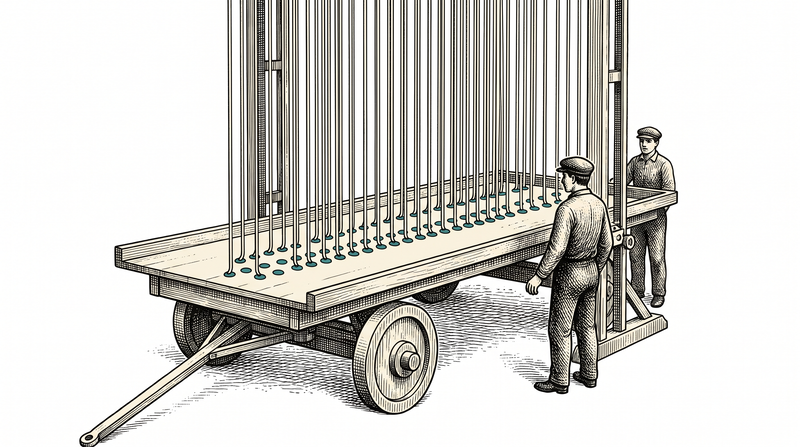
Three screens for three distinct automotive businesses
Auto service, car rental and car-park operations are entirely different flows — yet they share the same vehicle-record, approval and collection principle.
Work order & service
From fault diagnosis to the work done; parts, labor and time gather on the work order, its history bound to the vehicle.
Customer approval gate
Before work begins the quote goes to the customer; no extra job opens without approval, no surprise invoice.
Inspection photos
The vehicle is photographed at entry and exit; existing damage is recorded with evidence, no dispute later.
Rental calendar
An availability calendar per vehicle; date conflicts are blocked, the same car isn't rented twice.
Handover checklist & deposit
Fuel, mileage, damage and the license/age rule are marked at handover; the deposit is taken and settled on return.
Car-park entry-exit
Entry-exit time is logged, the tariff engine computes the fee; subscription and valet flow separately.
The engines beneath the surface
Approval gate & work-order engine
The most expensive dispute in service is work that wasn't authorized. The work order opens with customer approval: a quote is sent and no line is added without it. The gate decision lives in one place — instead of 'was it approved' checks scattered across screens there is one approval engine. So both the customer and the mechanic know what was done.
- Work order closed to unapproved work
- Parts, labor & time records
- Per-vehicle service history
Availability & conflict protection
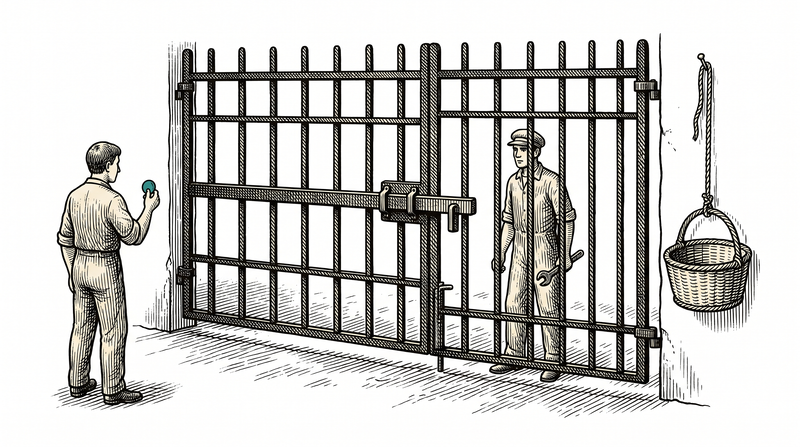
In rental, renting the same car to two people on the same day is the most expensive mistake. Availability is computed in one engine; when reservation dates conflict the system blocks it. The license class and age rule are checked before handover; an ineligible rental doesn't open. The handover and return checklist locks the vehicle's condition with evidence.
- Single-source availability calendar
- License-class & age-rule checking
- Handover/return checklist lock
Tariff & collection engine
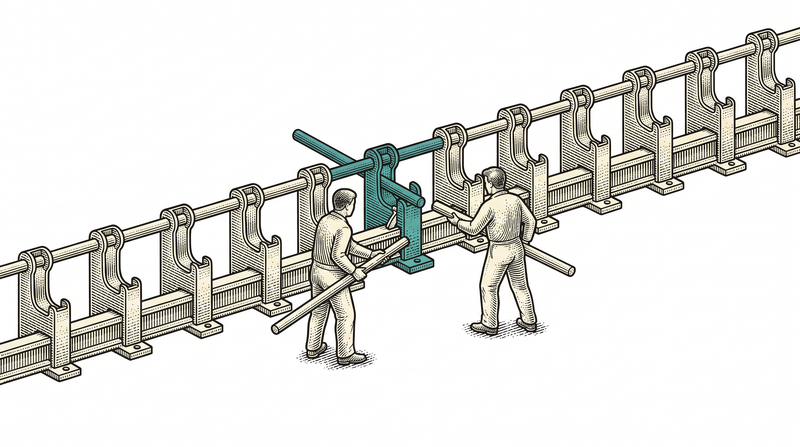
In a car park the fee is computed by the minute, in rental by the day, in service by line item. The tariff engine keeps these rules in one place: hourly/daily tiers, subscription discounts, weekend surcharges. When a rule changes you edit one place, not fee code scattered across screens; deposit and collection settle on the same account.
- Tiered tariff (hour/day/subscription)
- Deposit hold & refund/deduction
- Modular tariff adapter
From our automotive family
Our solutions focused on service, rental and car parks share the same vehicle-record and approval core — the evidence discipline built in one carries into the others.
Otora
Auto-service management: work orders, the customer approval gate, inspection/damage photos, parts-labor and vehicle service history.
Rentora
Car-rental management: availability calendar, date-conflict checking, handover/return checklist, deposit and license/age rules.
Car-park operations
A solution definition for entry-exit logging, a tiered tariff engine, subscriptions and valet operations.
What ships as standard in every automotive deployment
How we bring you live
Discovery & vehicle flow
We map your service, rental or car-park flow and clarify the approval rules, tariff and deposit scheme together.
Migrating existing data
Vehicle, customer and open job/reservation records are mapped, validated and migrated — no open record is lost.
Setup & device integration
Roles, the tariff engine and, if needed, car-park devices like barriers/plate readers are brought live after testing in a live environment.
Training, go-live & care
We train the field team on site and stand by in the first days; then we continue under an SLA maintenance plan.
The technology we build on
- .NET 9
- ASP.NET Web API
- PostgreSQL
- Flutter
- camera/photo evidence
- MinIO
- damage-photo archive
- SMS
- barrier
- plate reader
In automotive, trust is built with evidence, not words. Not starting work without the customer's approval and receiving the vehicle with photos is not a restriction but the only fair ground that protects both the customer and the business — a record ends the dispute before it starts.
Frequently asked
Does a job really not open without customer approval?
Yes. The work order opens with customer approval: a quote is sent and no line can be added without it. The approval gate lives in a single engine; there are no scattered 'was it approved' checks. So there's no surprise invoice — both the mechanic and the customer see what was done.
Does it prevent renting the same car to two people?
Yes. Availability is computed in one engine; when reservation dates conflict the system blocks it. The license class and age rule are also checked before handover, so an ineligible rental doesn't open. The handover and return checklist records the vehicle's fuel, mileage and damage with evidence.
How does it prevent damage disputes?
The vehicle is photographed at entry and exit; existing scratches and damage are recorded with time-stamped evidence. If there's new damage on return the photos are compared and any deposit deduction rests on evidence. The 'it was already there' argument gives way to a record — both the customer and the business are protected.
Are car-park tariffs and subscriptions flexible?
Yes. The tariff engine keeps hourly/daily tiers, weekend surcharges and subscription discounts in one place; when a rule changes you edit one place. Monthly/annual subscriptions, short-term entry-exit and valet operations flow separately but unite on the same collection account.
Let's move your service, fleet or car park onto one system
We'll listen to your approval, tariff and deposit flow and map out where to start, together. The first conversation is non-binding.