Maintenance & SLA Support
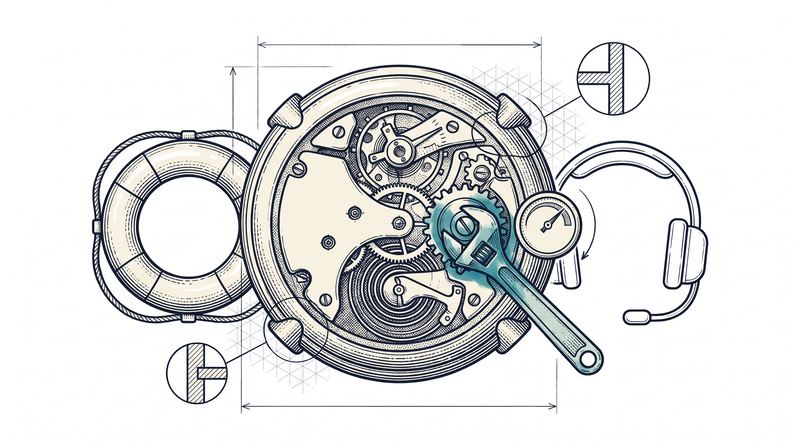
What's in the maintenance package
Software doesn't end at delivery; from version updates to rapid response, it's all gathered in one contract.
Monthly maintenance contract
Ongoing support with an SLA response time; not a one-off job but a continuing responsibility.
Version & dependency updates
The frameworks and libraries you use are updated regularly; security gaps don't accumulate in stale dependencies.
Performance monitoring
The system is watched continuously; a bottleneck is caught and fixed before a user complains.
Backup & disaster recovery
Regular backups and a tested restore scenario; the risk of data loss is never left unplanned.
Small feature requests
Small improvements and changes are handled from a monthly hour pool without waiting for a separate quote.
Monthly summary report
What was monitored, what was updated, which request was handled — you get it in writing every month.
Software doesn't end at delivery
When a product goes live the work isn't finished; version updates, security patches, regular monitoring and rapid response when something happens continue. We handle all of it under one contract, with a predictable response time.
As a team that keeps every one of these products running at once, we treat maintenance not as extra load but as a natural extension of our daily work. When a request comes in, we classify its priority, make first contact within the SLA-bound time, and find the root cause to apply a lasting fix, not a patch.
- One contract, a predictable response time
- 4–24 hour response, per SLA
- A lasting fix that reaches the root cause
- Small feature work via a monthly hour pool
Why maintenance with an SLA
Downtime loss is prevented
Thanks to monitoring and rapid response, a problem is resolved before it grows into lost business.
Security patches apply without delay
Dependency updates run on a regular schedule; a vulnerability doesn't stay open for months.
Team knowledge becomes institutional
The maintenance contract keeps the system's history on record; knowledge doesn't live in one person's memory alone.
Growth requests are handled with a plan
Thanks to the hour pool and monthly report, a small feature request moves forward without waiting for a separate quote.
The support lifecycle
Monitoring
The system is watched continuously: uptime, error rate and performance metrics are collected in the background.
Alerting
When a threshold is crossed, the team is notified automatically; the problem is caught before a user reports it.
Response
The request is classified by priority; first contact is made within the SLA-bound response time.
Root-cause analysis
The source of the problem is found; a lasting fix is applied, not a temporary patch.
Release & documentation
The fix is added to a release, the change is logged, and it's reflected in the monthly summary report.
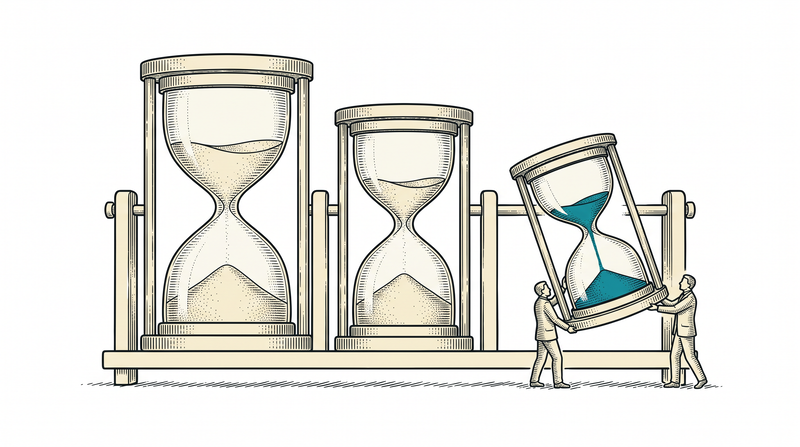
What runs beneath the SLA
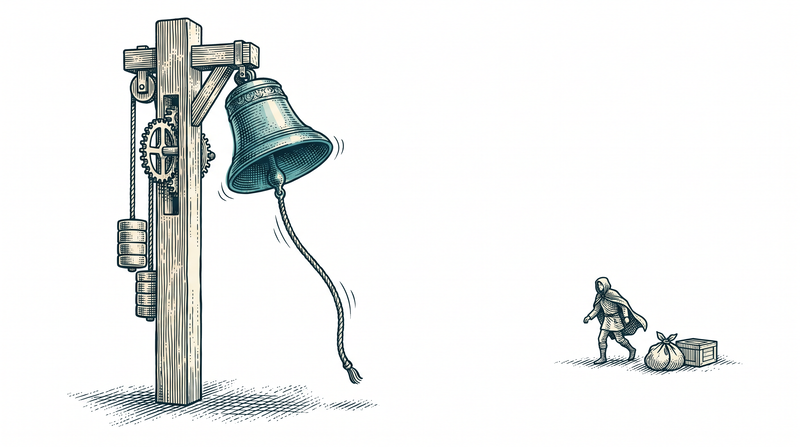
Response time & priority classification
Every incoming request is classified by severity; a critical outage and a small enhancement request don't wait in the same queue. Response time under the SLA ranges from 4 to 24 hours, and a request can be opened via email, WhatsApp or the panel.
- Priority-based classification
- 4–24 hour response, per SLA
- Email, WhatsApp and panel channel
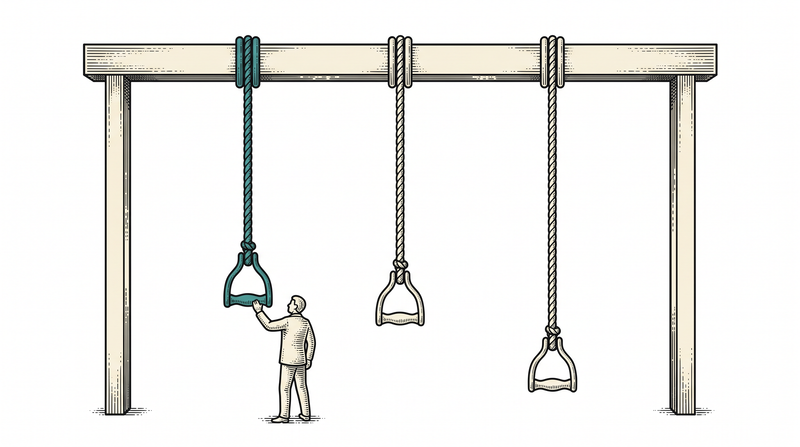
Monitoring & early warning
Uptime and logs are monitored continuously; the aim is to catch a problem before a user reports it. An automatic alert fires when a threshold is crossed, and everything monitored and resolved becomes visible in the monthly summary report.
- Uptime & log monitoring
- Threshold-based automatic alerting
- Monthly summary report
Hour pool & small feature work
A monthly hour pool covers small improvements and change requests without a separate quoting process. When scope grows — a new module, a large integration — that's handled as a separate quote; the hour pool is for small work.
- A monthly hour pool
- Small change requests move fast
- A separate quote if scope grows
What ships as standard in every maintenance contract
The tools we use in the maintenance process
- Logs
- Uptime
- alerts
- 4–24 hours per SLA
- panel
- Monthly summary report
Let us watch your product in production
We'll listen to your current product and support expectations and map out the right SLA scope, together. The first conversation is non-binding.
Frequently asked questions
Only ready-made products, or custom development too?
Both. Our products are used by subscription; if your need differs, the same team builds custom.
How does pricing work?
Monthly subscription for products; fixed price or monthly contract for custom projects. First call is free.
Do you sign NDAs?
Yes — we'll sign before the first call if you ask.
Can we work from abroad?
Yes, we're remote-first; communication in Turkish and English.
Will it integrate with our existing systems?
Integration is at the core of what we do: our solutions talk to existing ERP/CRM and hardware.